
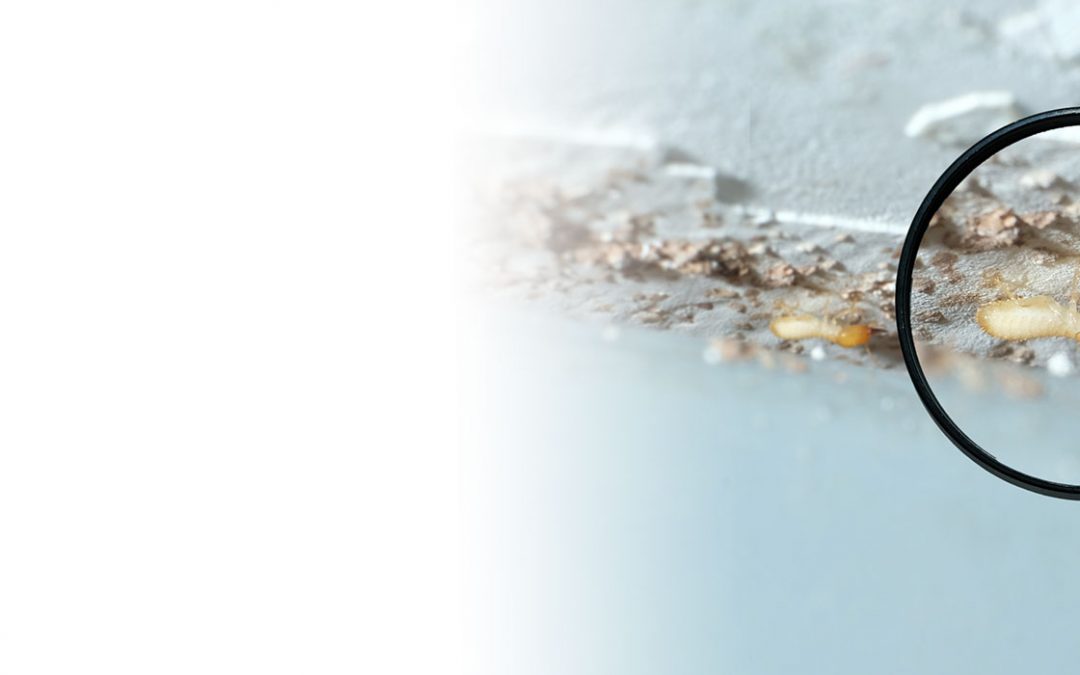
Buying a home is one of the biggest financial decisions you will ever make. On the Central Coast, it also comes with a risk that many buyers do not fully consider until it is too late: termites. This guide explains why a pre-purchase termite inspection is not optional in this region, what it involves, and what to do if the results are not what you were hoping for.
THE SHORT ANSWER IS YES, AND HERE’S WHY
How common are termites in Central Coast properties?
The Central Coast sits in a very high termite risk zone according to CSIRO data. The combination of warm weather and high humidity in the region provides the perfect environment for termites to thrive. This is not a fringe problem that only affects old or neglected properties. Termites can and do target well-maintained homes across the region.
It is estimated that one in five Australian homes will be attacked by termites over their lifetime, though this figure could be as high as one in three homes in areas of high termite pressure. The Central Coast, with its coastal humidity, surrounding bushland and significant proportion of older timber homes, sits firmly in the high-pressure category.
Why standard home insurance won’t protect you
Many buyers assume that if they purchase a home and termites are later discovered, their insurance will cover the damage. This is not the case. Standard home and contents insurance policies do not cover termite damage, classifying it as a preventable problem.
That means if you buy a home with an active or undiscovered termite problem, the cost of treatment and structural repairs falls entirely on you. A pre-purchase inspection is the only way to know what you are actually buying.
WHAT A PRE-PURCHASE TERMITE INSPECTION ACTUALLY COVERS
What the inspector looks for
A pre-purchase termite inspection is more comprehensive than a standard annual inspection. It identifies evidence of termites, timber borers and wood decay fungi across the property, giving prospective buyers a clear understanding of the property’s condition and any associated risks.
The inspector will check accessible areas of the home including roof voids, subfloor spaces, internal rooms, the garage, and the surrounding property. They look for mud tubes, damaged or hollow-sounding timber, discarded wings, moisture issues that could attract termites, and any structural conditions that make the property more vulnerable.
How long it takes and what to expect on the day
For an average-sized Central Coast home, a thorough pre-purchase termite inspection typically takes between one and two hours. You should ensure all areas of the home are accessible, including the roof void and subfloor. Gates should be unlocked, pets secured, and any stored items moved away from walls and fences where possible.
The inspection is primarily visual. The inspector may use moisture detection equipment or thermal imaging tools to identify concealed activity, but they are not permitted to probe or damage surfaces during the process.
How it differs from a standard building inspection
A standard building inspection looks at the structural condition of the property but does not include a detailed assessment of termite activity or timber pest damage. On the Central Coast, where termite pressure is consistently high, you should arrange both a building inspection and a separate timber pest inspection before committing to a purchase. Some inspectors offer combined reports, but always confirm the pest component meets Australian Standard 3660.1 AS 3660.2,AS 3660.3
WHAT HAPPENS IF TERMITES ARE FOUND
Is it a dealbreaker?
Finding evidence of termites in a pre-purchase report can feel alarming, but it does not automatically mean you should walk away. A termite history can prove to be strong leverage when negotiating a better purchase price, and with the right treatment and protection in place, a property with a termite history does not have to become a future problem.
The key questions are how extensive the damage is, whether there is active or historic activity, and what treatment and repair work would be required. A qualified termite specialist can give you a clear picture of the scope and cost before you make a final decision.
How to use the findings to negotiate on price
A pre-purchase termite report that identifies activity or damage gives you documented evidence to bring to the negotiating table. You can request that the vendor arrange and pay for treatment before settlement, ask for a reduction in the purchase price to cover treatment and repair costs, or in some cases, withdraw from the purchase entirely during the cooling-off period.
In NSW, there is a five business day cooling-off period after you exchange contracts, ending at 5pm on the fifth business day. Getting your termite inspection done before exchange, or as early as possible after, gives you the time and information you need to make a fully informed decision.
What to do if you have already bought without an inspection
If you have recently purchased a Central Coast property without a pre-purchase termite inspection, the priority is to arrange a professional inspection as soon as possible. Early detection significantly reduces the cost of treatment and the extent of any damage. Do not attempt to investigate suspected termite activity yourself. Disturbing a colony can cause termites to retreat deeper into the structure, making them harder to locate and treat.
WHEN TO BOOK YOUR INSPECTION
Before the auction or after the offer?
Ideally, your termite inspection should be completed before you bid at auction or make a formal offer on a private sale. Once you win at auction, there is no cooling-off period and no opportunity to renegotiate based on inspection findings. This makes pre-auction inspections especially important for Central Coast buyers competing in a busy market.
For private sales, you can make your offer conditional on satisfactory building and pest inspection results. This gives you a formal mechanism to withdraw or renegotiate if issues are discovered.
What to look for in a qualified Central Coast termite inspector
Look for an inspector who is fully licensed under NSW regulations, carries professional indemnity insurance, and provides reports that comply with Australian Standard 3660. Experience in the local area matters. A termite specialist who understands the specific species active on the Central Coast, the building types most commonly affected, and the local landscape conditions will give you a more thorough and reliable assessment.
GET PEACE OF MIND BEFORE YOU SIGN
A pre-purchase termite inspection is a small investment compared to the potential cost of discovering termite damage after settlement. On the Central Coast, where termite pressure is high and the consequences of an undetected infestation can be severe, it is one of the most important steps any buyer can take.
AM Pest Solutions has been helping Central Coast homeowners and buyers understand and manage their termite risk for over 20 years. Whether you need a pre-purchase inspection, a termite treatment, or ongoing protection for your new home, Anthony and the team are here to help.
Call 0490 487 032 or email enquiry@ampestsolutions.com.au to book your inspection before you sign.